
Explore a billion reasons to act on obesity! Join us on March 8, 2026, at Quirino Grandstand to fight obesity for a stronger heart, healthier kidneys, and better diabetes control.

PASOO Posts
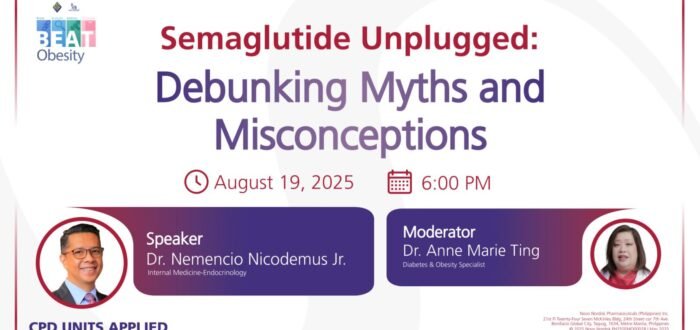
Join us on the Obesity 360 Channel on Docquity as we clear the air on semaglutide in separating facts…
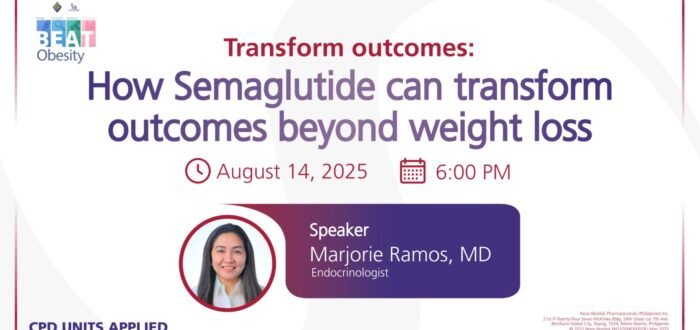
Date: Aug 14, 2025 Time: 6:00 PM (PH Time) Speaker: Dr. Marjorie Ramos Title: Transform Outcomes: How Semaglutide Can Transform Outcomes Beyond Weight Loss Discover how semaglutide goes beyond weight loss to deliver broader health benefits. Gain practical insights and evidence-based strategies for your practice. Join the webinar here: https://app.docquity.com/#/webinar/detail/501358
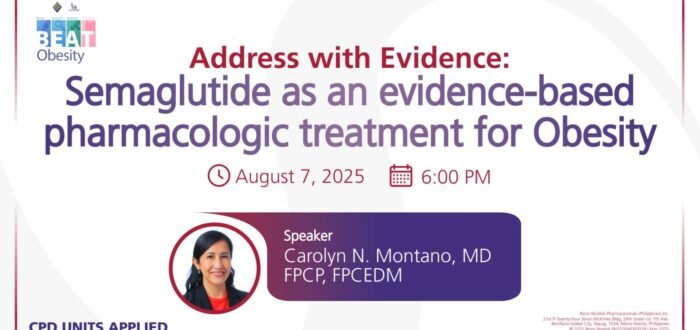
Whether you’re in primary care, endocrinology, or nutrition-focused practice, this talk promises to deliver actionable insights backed by the latest research.
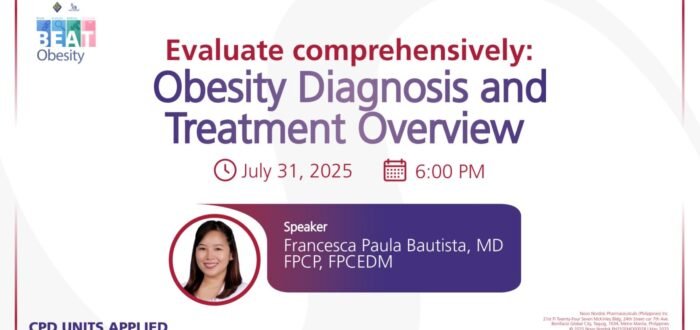
This session will cover practical approaches in diagnosing and managing obesity, specifically tailored for primary care physicians.
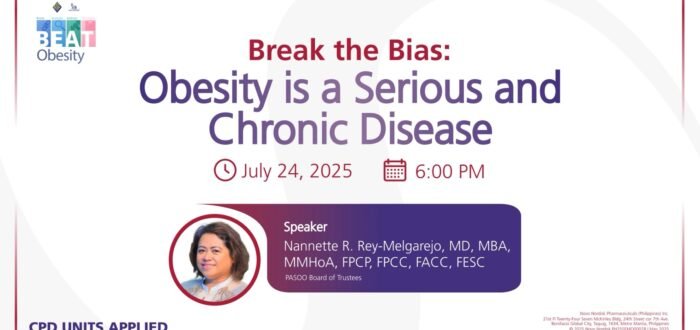
Join us as we explore its nature as a chronic disease and discuss how healthcare professionals can tackle bias in clinical care.
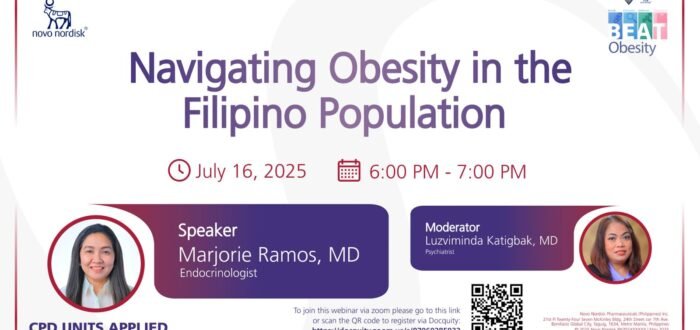
Join us for a webinar as we dive into the complexities of obesity in local patients. Discover why lifestyle change alone isn’t always enough!

Join us at the 30th Annual Convention – Perspective, Actions, and Solutions in Overcoming Obesity on September 6, 2024, at Novotel Manila!
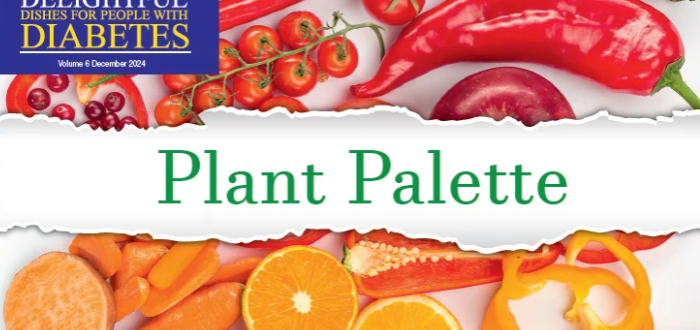
Obesity is a chronic disease—lifestyle changes, especially plant-based nutrition, play a key role in effective management and prevention
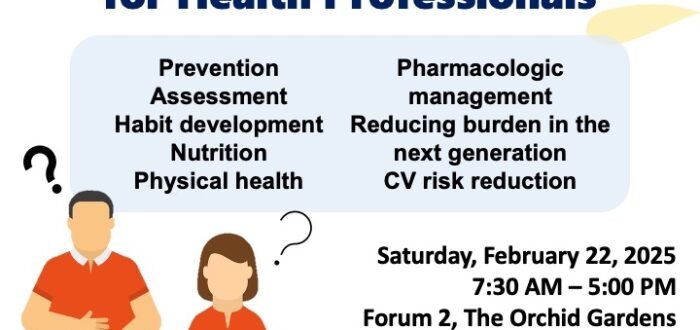
Join us in the upcoming 6th PASOO DIABESITY FORUM Topics to cover: Prevention Assessment Habit development Nutrition Physical health Pharmacologic management Reducing burden in the next generation CV risk reduction; and more! Saturday, February 22, 2025 7:30 AM – 5:00 PM Forum 2, The Orchid Gardens Lazatin Blvd, San Fernando, Pampanga CPD Credit units applied
Latest Posts


Semaglutide Unplugged: Debunking Myths and Misconceptions August 18, 2025


